
Taxation strategies are essential for every business that wants to keep more of what it earns and remain compliant with federal and state laws. At The Leppert CPA Group, we help New Jersey businesses-from restaurants and manufacturers to franchises and high-tech firms-implement smart tax strategies that maximize deductions and minimize liabilities.
In this guide, you’ll learn practical, actionable approaches to tax planning that can make a real difference to your bottom line.
What Are Taxation Strategies?
Taxation strategies are methods and practices businesses use to legally reduce their tax burden. These strategies include choosing the right business structure, tracking deductible expenses, and using tax credits. The goal is to pay only what you owe-nothing more, nothing less-while staying fully compliant with all regulations.
Why Tax Strategies Matter For Businesses
Effective tax strategies can help your business:
- Increase cash flow
- Reinvest more profits into growth
- Avoid unnecessary penalties
- Build a strong financial foundation
For medium-sized businesses, especially those in competitive industries, smart tax deduction strategies can mean the difference between long-term success and just getting by.
Common Tax Deductions For Businesses
Understanding which expenses qualify as deductions is fundamental to effective tax strategies. The table below outlines some of the most common deductible expenses for businesses.
| Deduction Category | Examples | Tips For Maximizing Deductions |
| Office Expenses | Rent, utilities, supplies | Keep detailed receipts and invoices |
| Employee Compensation | Salaries, bonuses, benefits | Ensure proper classification and documentation |
| Vehicle Expenses | Mileage, maintenance, fuel | Maintain a mileage log and business purpose |
| Professional Services | Legal, accounting, consulting fees | Use qualified professionals |
| Depreciation | Equipment, furniture, vehicles | Track purchase dates and depreciation schedules |
| Marketing & Advertising | Website, ads, promotional materials | Separate personal and business expenses |
| Meals & Entertainment | Client meetings, business meals | Only 50% is typically deductible; keep records |
Tax Deduction Strategies For Maximum Savings
Track Every Expense
Accurate recordkeeping is the foundation of all tax deduction strategies. Use digital tools or professional bookkeeping services to capture every deductible expense throughout the year.
Leverage Section 179 And Bonus Depreciation
Section 179 allows businesses to deduct the full purchase price of qualifying equipment or software in the year it’s placed in service. Bonus depreciation can provide additional savings on larger purchases.
Optimize Employee Benefits
Offering retirement plans, health insurance, and other benefits can provide significant tax deductions while attracting top talent.
Deduct Home Office Expenses
Offering retirement plans, health insurance, and other benefits can provide significant tax deductions while attracting top talent.
Plan For Charitable Contributions
Donations to qualified charities are deductible. Be sure to document all contributions and obtain receipts.
Advanced Tax Strategies For Businesses
Before you make any big decisions about your company’s future, it’s important to understand how each choice can affect your taxes. Working with professionals who offer Tax Advisory Services helps you weigh your options and avoid costly mistakes. The right advice now can save you money and stress down the road.
Choose The Right Business Structure
Your choice of business entity-LLC, S-corp, C-corp, or partnership-affects your tax liability. Each structure has unique advantages, so review your situation with a tax advisor.
Use Tax Credits
Federal and state tax credits can reduce your tax bill dollar-for-dollar. Popular credits include the R&D credit, work opportunity credit, and energy efficiency incentives.
Defer Income And Accelerate Expenses
If you expect to be in a lower tax bracket next year, consider deferring income and accelerating deductible expenses into the current year.
Implement A Retirement Plan
Setting up a 401(k) or SEP IRA not only benefits employees but also provides valuable deductions for your business.
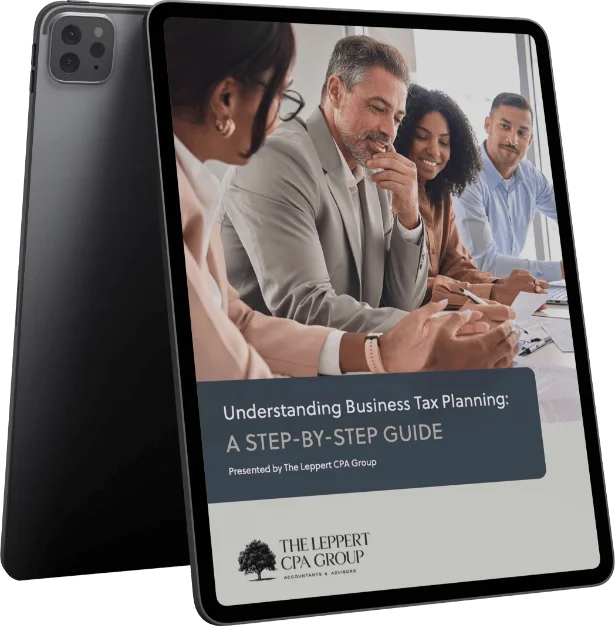
Maximize Your Tax Savings –
GET YOUR FREE GUIDE
Whether you’re just starting or looking to refine your financial management, this guide will equip you with the right tools and insights to stay organized and make smarter financial decisions.
Industry-Specific Tax Strategies
Each industry has different tax rules and filing requirements. Turning to experts who offer Corporate Tax Services can help you stay compliant and avoid errors.
Restaurants
Restaurants can benefit from tip credit, meal deductions, and accelerated depreciation for equipment.
Home Services
Home service businesses should track mileage, supplies, and subcontractor payments for maximum deductions.
Manufacturing
Manufacturers can use the domestic production activities deduction and R&D credits to lower their tax bill.
High Tech & Distribution
Tech firms should explore R&D credits and software depreciation strategies.
Franchises
Franchises can benefit from royalty fee deductions and specialized accounting methods.
The Role Of Professional Advisory In Taxation Strategies
Tax laws change frequently, and mistakes can be costly. Partnering with a firm like The Leppert CPA Group gives you access to experienced professionals who provide personalized tax advisory services. We help you:
- Identify overlooked deductions
- Plan for future tax law changes
- Stay compliant and avoid penalties
- Make informed decisions with confidence
Bookkeeping And CFO Services For Tax Planning
Accurate books are the backbone of effective tax strategies. Our Bookkeeping Services ensure every transaction is tracked and categorized correctly, making tax time stress-free.
For businesses seeking high-level financial guidance, our CFO Services provide strategic planning, cash flow management, and forecasting to support long-term growth.
Corporate Tax Services For Complex Needs
If your business requires advanced support, our Corporate Tax Services handle everything from multi-state filings to complex entity structures and ERP management.
Action Steps To Maximize Deductions & Minimize Liabilities
- Schedule Regular Tax Reviews: Meet with your advisor at least quarterly.
- Keep Detailed Records: Use software or professional bookkeepers.
- Stay Informed: Monitor tax law updates that impact your industry.
- Plan Ahead: Make tax planning a year-round activity, not just a year-end scramble.
- Consult Experts: Don’t guess-work with professionals who know your business.
Take The Next Step
Smart taxation strategies can transform your business finances. Let our team at The Leppert CPA Group help you maximize deductions, minimize liabilities, and set your business up for long-term success. Book A Call today to get started, or Contact Us for more information.
FAQs
What are the most effective taxation strategies for small businesses?
Tracking expenses, choosing the right business structure, and leveraging available credits are key strategies.
How can I ensure I’m maximizing my tax deductions?
Keep organized records and consult with a tax advisor to identify all eligible deductions.
What’s the benefit of using professional bookkeeping services?
Professional bookkeeping services ensure accuracy, helps avoid missed deductions, and makes tax filing easier.
Can The Leppert CPA Group help with ongoing tax planning?
Yes, we offer comprehensive tax advisory and planning services tailored to your business needs.
How do I get started with The Leppert CPA Group?
Book A Call or Contact Us to discuss your tax strategy needs.
What documents should I keep for tax compliance, and for how long?
Keep all tax returns, receipts, invoices, payroll records, and bank statements for at least seven years.
How do I know if my business qualifies for certain tax credits or deductions?
Check with a tax advisor-they can review your business and tell you what credits or deductions apply.
What should I do if I get a notice from the IRS or New Jersey Division of Taxation?
Read the notice, gather any documents, and contact your CPA right away.
How can I prepare for a tax audit?
Keep your records organized and up to date. A tax professional can help you respond if you’re audited.